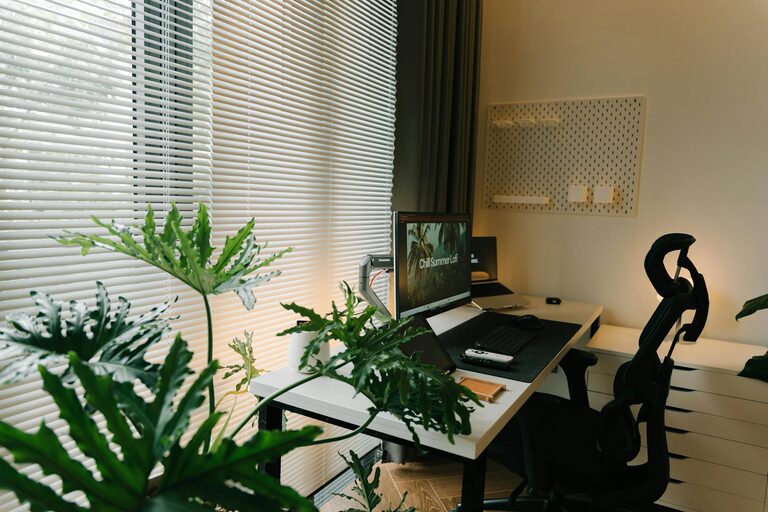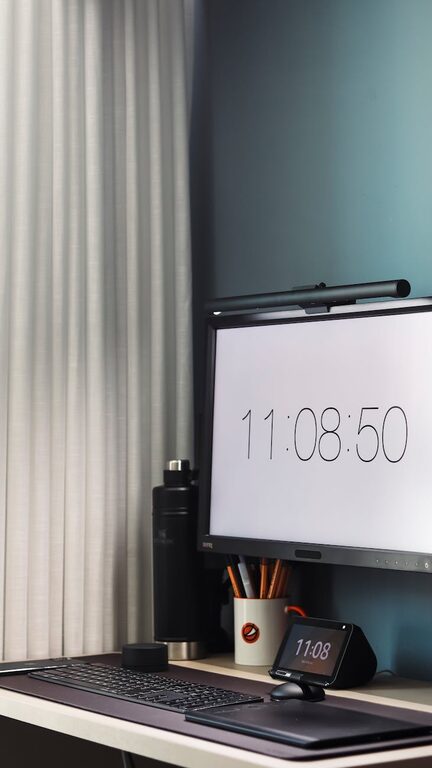
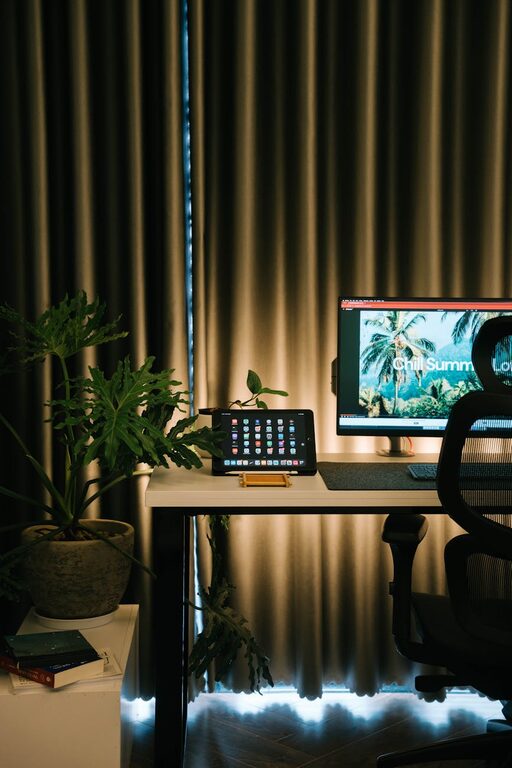
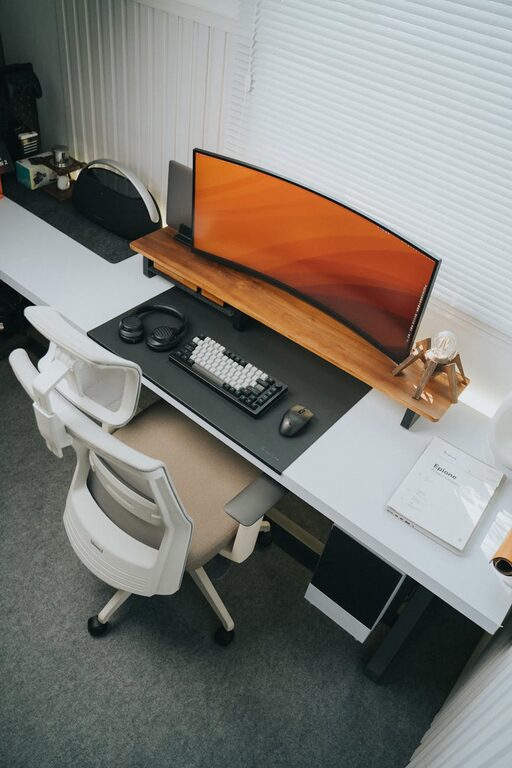

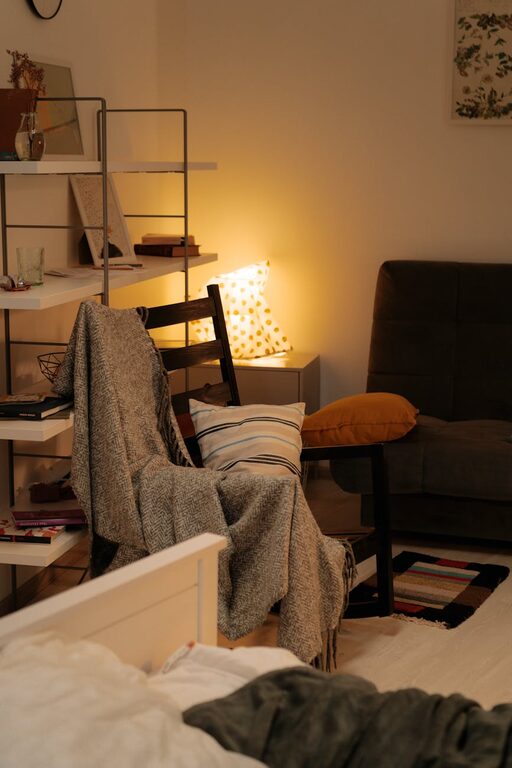

Creating a productive home office environment is essential for anyone working remotely or running a business from home. A well-thought-out workspace not only helps improve focus and efficiency but also contributes to better overall wellbeing. Whether you have a dedicated room or a small corner in your living area, these tips will help you design an office that supports your work goals.
Choose the Right Location
Selecting the right spot for your home office is the first step. Ideally, it should be a quiet area with minimal distractions, good natural light, and enough space for your equipment.
– Quiet and private: Look for a room or corner away from household noise.
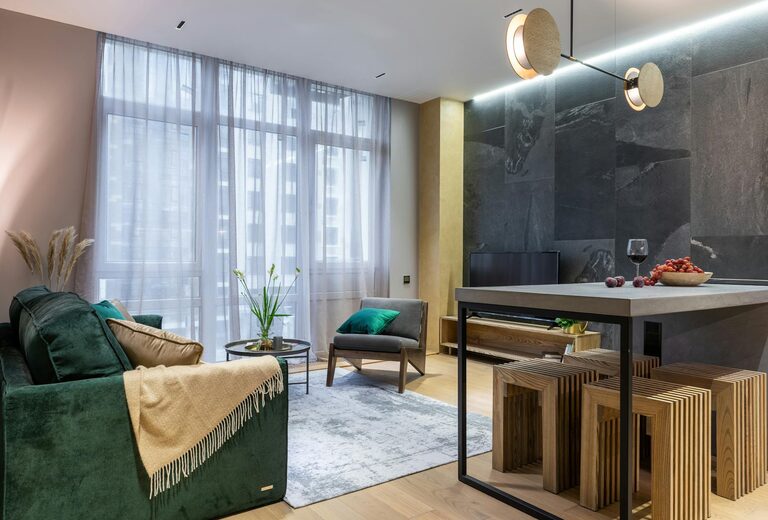
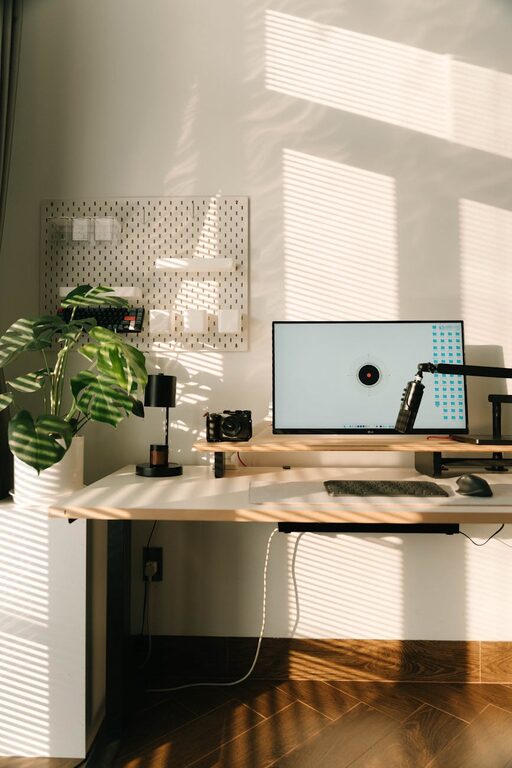
– Good lighting: Natural light boosts mood and reduces eye strain. Position your desk near a window if possible.
– Comfortable temperature: Avoid areas that are too hot or cold to maintain comfort throughout your workday.
Invest in Comfortable, Ergonomic Furniture
A good chair and desk are vital for both comfort and productivity.
– Ergonomic chair: Choose one with adjustable height, lumbar support, and comfortable cushioning.
– Desk: Opt for a surface size that accommodates your computer, documents, and any other tools you regularly use.
– Sitting posture: Maintain a neutral sitting position to reduce fatigue and prevent back pain.
Organise Your Space Efficiently
An organised workspace helps reduce stress and saves time.
– Declutter regularly: Keep only what you need on your desk.
– Storage solutions: Use shelves, drawers, and organisers to keep paperwork and supplies tidy.
– Cable management: Employ clips or ties to keep cables neat and avoid tangles.
Optimise Lighting for Comfort and Focus
Proper lighting is crucial for productivity and eye health.
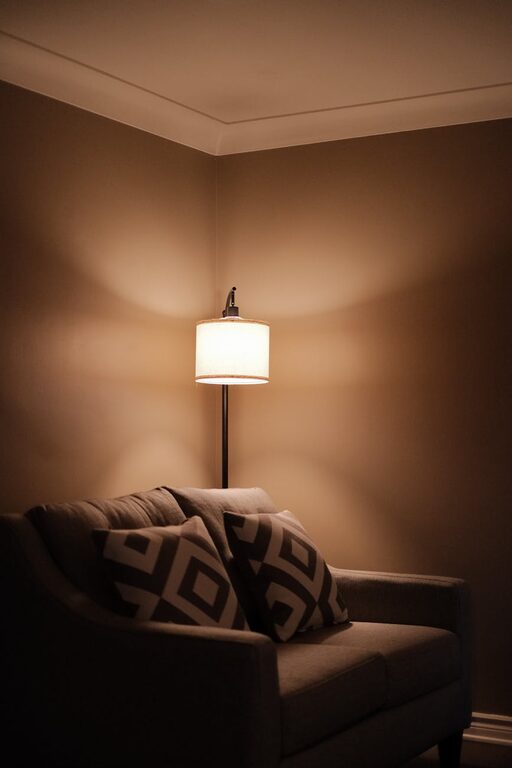
– Layer lighting: Combine natural light with a good desk lamp for task lighting.
– Adjustable lamps: Choose lights with adjustable brightness and positioning to reduce glare.
– Avoid screen reflection: Position your screen to prevent reflections from windows or lights.
Minimise Distractions and Set Boundaries
Distractions can interrupt workflow and reduce efficiency.
– Define work hours: Communicate your schedule to family and friends.
– Noise control: Use noise-cancelling headphones or background music to block distractions.
– Limit digital interruptions: Turn off non-essential notifications during work periods.
Incorporate Personal Touches
Adding elements that make you feel comfortable and motivated can enhance your productivity.
– Plants: Indoor plants improve air quality and add calmness.
– Artwork or photos: Personal images can uplift your mood without cluttering the space.
– Aromatherapy: Subtle scents like lavender or citrus can help create a relaxing atmosphere.
Use Technology to Your Advantage
Leverage tools and apps that support your work habits.
– Task management: Use apps to prioritise and track tasks.
– Reliable equipment: Invest in a good-quality computer, keyboard, mouse, and headset.
– Fast internet: Ensure your connection is stable to avoid interruptions.
Take Regular Breaks and Move Around
Keeping your body active helps maintain energy levels and focus.
– Pomodoro technique: Work in focused intervals (e.g. 25 minutes) followed by short breaks.
– Stretching: Incorporate simple stretches to avoid muscle stiffness.
– Change scenery: If possible, take breaks outside or in a different part of your home.
Maintain Good Air Quality and Cleanliness
A fresh and tidy environment supports wellbeing and concentration.
– Ventilation: Open windows regularly to let in fresh air.
– Air purifiers: Consider one if your home tends to be stuffy or dusty.
– Regular cleaning: Dust and wipe surfaces consistently to keep your space hygienic.
—
By following these tips, you can create a home office that not only enhances your productivity but also makes working from home a more enjoyable experience. Remember, a workspace tailored to your needs encourages good habits, reduces stress, and helps you achieve your best work every day.