




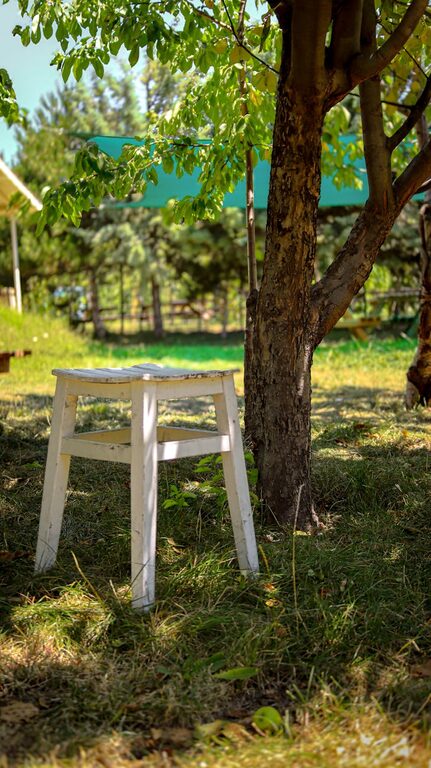
Creating a relaxing garden space at home is a wonderful way to enjoy the outdoors and bring a sense of calm to your daily routine. Whether you have a small balcony or a spacious backyard, there are plenty of ways to design a garden that encourages relaxation and rejuvenation. In this guide, we’ll explore practical tips for crafting a peaceful garden haven tailored to your lifestyle and preferences.
Why Create a Relaxing Garden Space?
A garden can be more than just a patch of greenery; it can serve as your personal sanctuary. Spending time outdoors in a well-designed garden can reduce stress, improve mood, and even boost creativity. With thoughtful planning, you can create a space that invites you to slow down, breathe deeply, and connect with nature.
Planning Your Garden Relaxation Area
Before planting or buying furniture, it helps to plan your garden space carefully. This step ensures that your garden matches your needs and makes the best use of the available area.
Consider Your Space and Needs
– Size and Shape: Measure your garden or outdoor space to understand what can fit comfortably.
– Purpose: Think about how you want to use the space—reading, meditating, entertaining guests, or simply relaxing.
– Sunlight: Observe which areas receive sun or shade throughout the day to select suitable plants and seating.
– Privacy: Consider how visible your garden is to neighbours and how much privacy you want.
Create Zones
Dividing your garden into zones can make it more functional. For example, have a seating area, a flower or vegetable patch, and a quiet nook for meditation. Use plants, screens, or garden furniture to define these zones clearly.
Choosing Plants for a Calm Atmosphere
Plants play a crucial role in setting a soothing mood in your garden. Here’s how to select the best greenery for relaxation.
Opt for Soothing Colours and Textures
– Soft greens: These promote calm and blend well with other plants.
– Pastel flowers: Shades of lavender, pink, and white add tranquillity.
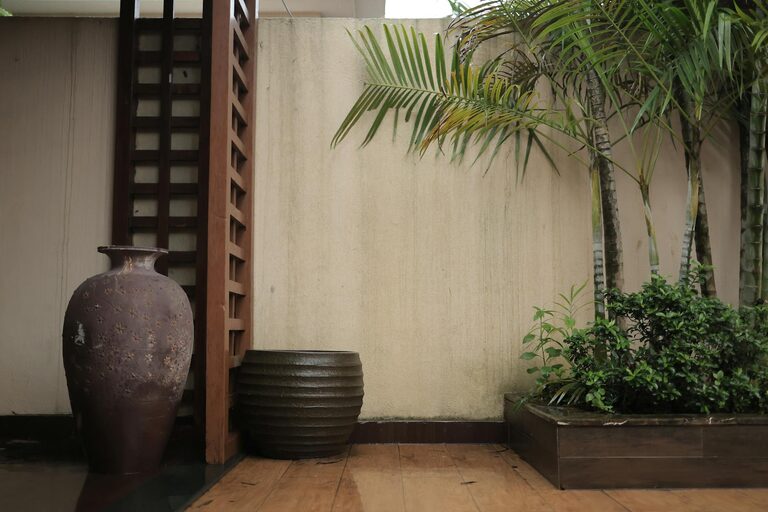
– Foliage variety: Mix broad leaves with fine, feathery ones for visual interest.
Go for Aromatic Plants
Many fragrant plants can enhance your garden’s relaxation effect:
– Lavender
– Jasmine
– Rosemary
– Mint
The gentle scents can soothe the mind and make your garden more inviting.
Incorporate Evergreen Plants
Evergreens provide year-round greenery, helping your garden to look lively even in winter.
Consider Plant Maintenance
Choose low-maintenance plants if you want your garden to be stress-free. Perennials and native plants often need less care.
Adding Comfortable Seating and Shelter
A relaxing garden is also about comfort. Having the right seating and shelter invites you to stop and enjoy the surroundings.
Comfortable Seating Options
– Benches: Classic and charming; consider adding cushions for extra comfort.
– Hammocks: Perfect for creating a cosy, lazy vibe.
– Outdoor armchairs or sofas: Great for entertaining and relaxing.
– Floor cushions or poufs: Flexible and informal seating solutions.
Create Shelter and Shade
– Pergolas or gazebos can offer shade on sunny days.
– Large umbrellas or sail shades are more portable and adjustable.
– Planting trees or tall shrubs adds natural shade and privacy.
Incorporating Water Features and Sounds
Water sounds can be incredibly calming, helping to mask urban noise and enrich the sensory experience.
Types of Water Features
– Small fountains or cascades
– Birdbaths with gentle water movement
– A pond with aquatic plants and maybe some fish
Even a simple feature with running water can bring an element of peace to your garden.
Lighting for Evenings and Mood
Proper lighting lets you enjoy your garden at any time of day.
– Soft fairy lights: Create a magical, warm atmosphere.
– Solar-powered path lights: Light your way without needing wires.
– Lanterns or candles: Add intimacy and softness.
– Spotlights: Highlight special plants or garden art.
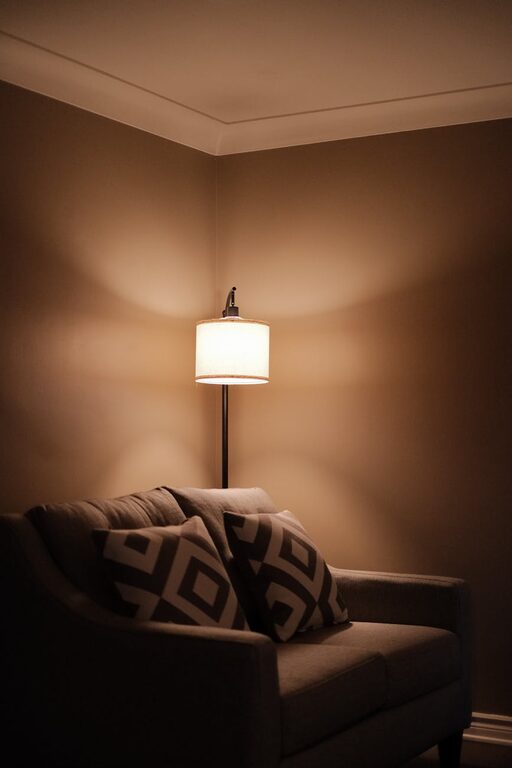
Choose warm white lights for creating a soothing ambiance rather than bright or harsh lighting.
Personal Touches to Enhance Relaxation
Adding elements that reflect your personality and preferences will make your garden unique.
– Garden art: Sculptures, wind chimes, or decorative stones.
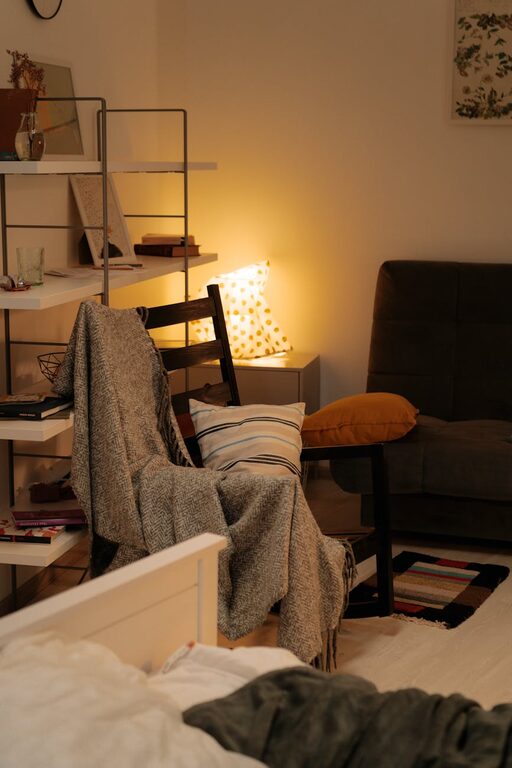
– Textiles: Outdoor rugs, cushions, and throws add colour and warmth.
– Herb or vegetable garden: Growing your own food can be satisfying and calming.
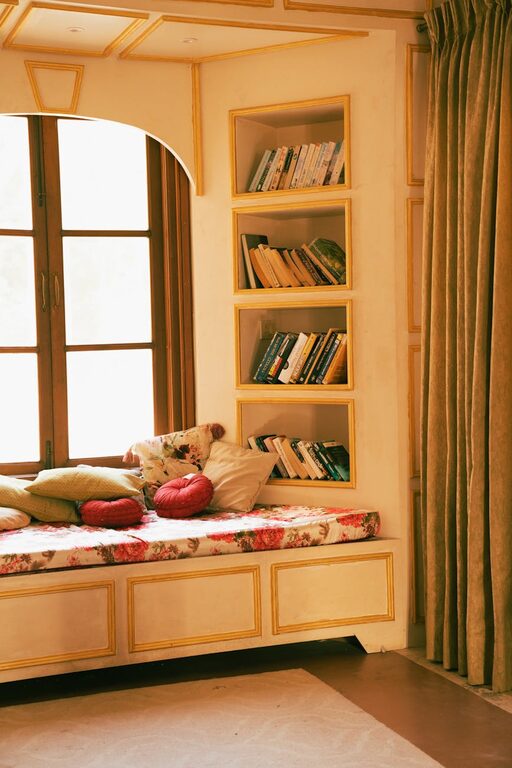
– Reading nook: A small bookshelf or basket with your favourite books nearby.
Maintaining Your Garden for Ongoing Relaxation
A garden is a living space that needs care to remain a relaxing retreat.
– Set aside regular time for watering, weeding, and pruning.
– Keep seating and paths clean and inviting.
– Update plants and decorations seasonally.
– Listen to your garden’s changing needs and adapt accordingly.
Final Thoughts
Creating a relaxing garden space at home is all about combining nature, comfort, and personal style. By planning thoughtfully and including elements that soothe your senses, you can build a garden that offers a quiet escape from the stresses of everyday life. Start small if needed, and enjoy the process as your garden grows into your own peaceful sanctuary.