
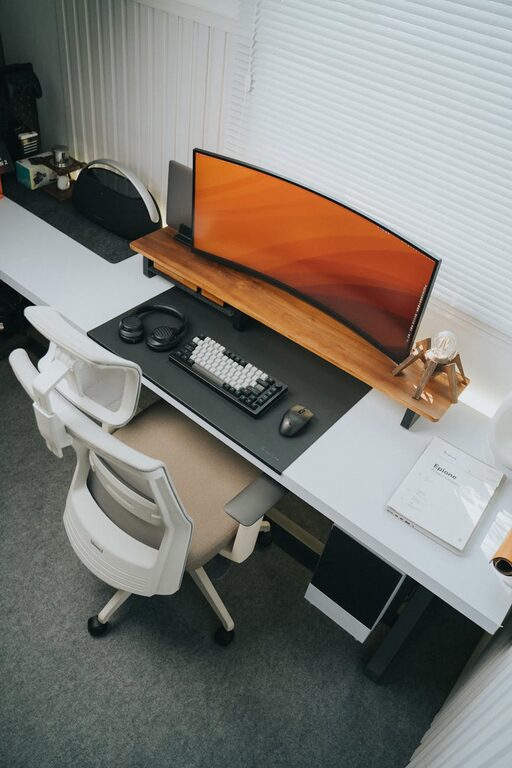

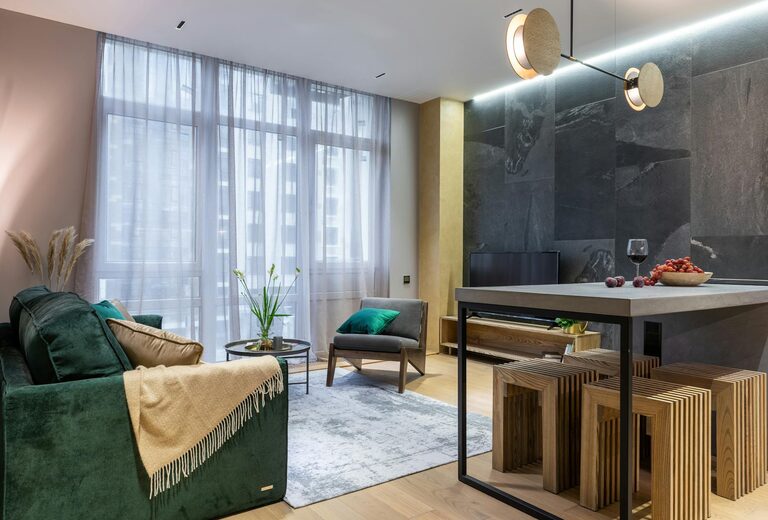
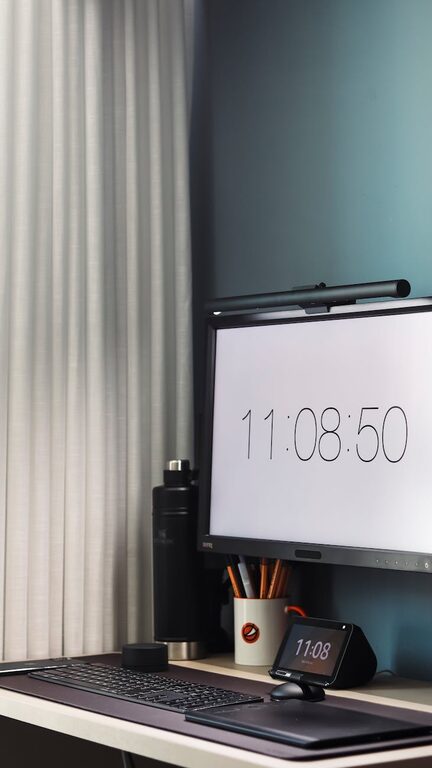
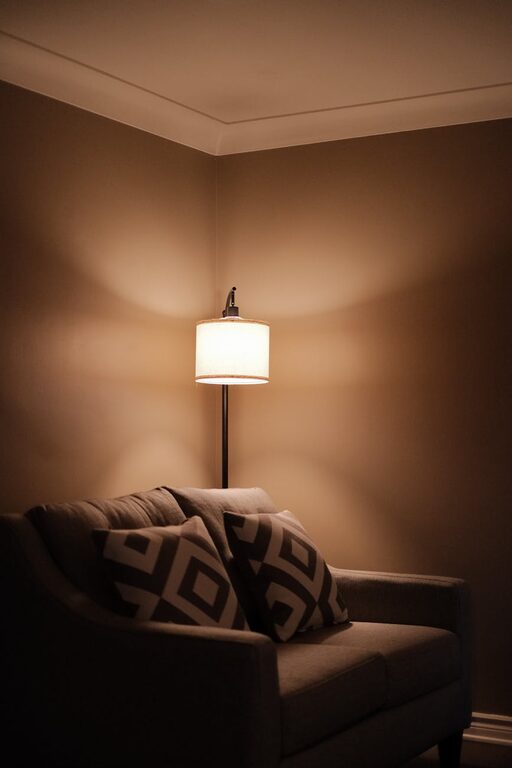

Creating a home office that is both relaxing and productive can significantly improve your work-from-home experience. Whether you are freelancing, running a home-based business, or simply working remotely, your workspace plays a vital role in how efficiently and comfortably you work. Here are some helpful tips to craft a home office environment that supports focus, creativity, and calm.
1. Choose the Right Location
The first step is to find the ideal spot in your home for your workspace. Consider these points:
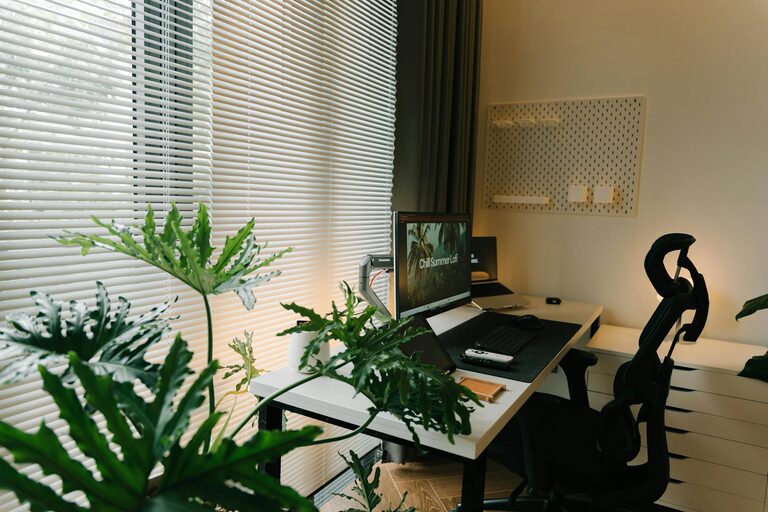
– Natural Light: Position your desk near a window if possible. Natural light boosts mood and energy levels.
– Quiet Zone: Select an area away from noisy spaces like the kitchen or living room to minimise distractions.
– Space for Movement: Ensure there is enough room to move around, stretch, and organise your work materials.
If a dedicated room isn’t available, even a corner can be transformed into a functional office with thoughtful planning.
2. Invest in Comfortable Furniture
Comfort is crucial for long hours of work. It pays to choose ergonomically designed furniture:
– Desk: Opt for a desk with sufficient surface area and storage options. Adjustable desks are great if you want to alternate between sitting and standing.
– Chair: Pick an ergonomic chair with good lumbar support to prevent back strain.
– Footrest and Accessories: Items like footrests, keyboard trays, and monitor stands can improve posture and minimise fatigue.
Remember, an uncomfortable chair or desk can reduce productivity and impact your wellbeing.
3. Optimise Lighting
Good lighting reduces eye strain and keeps you alert. Here’s how to balance your room’s lighting:
– Ambient Lighting: Use general lighting such as ceiling lights or lamps to brighten the entire room.
– Task Lighting: A desk lamp with adjustable brightness is useful for detailed work.
– Reduce Glare: Position screens to avoid reflections from windows or lights.
Choose warm or neutral white bulbs to create a welcoming atmosphere rather than harsh, cold lighting.
4. Declutter and Organise Your Space
A tidy workspace can promote clarity and creativity. Consider these organisation tips:
– Storage Solutions: Use shelves, filing cabinets, or drawer organisers to keep documents and supplies neat.
– Regular Cleaning: Clear your desk daily to avoid clutter buildup.
– Cable Management: Use clips or sleeves to keep cables untangled and out of the way.
Minimalism in your workspace helps reduce distraction and fosters a calm environment.
5. Personalise Your Office
Adding personal touches makes your space inviting and motivating. Ideas include:
– Plants: Indoor plants improve air quality and bring nature indoors, which can reduce stress.
– Artwork and Photos: Display artwork or photographs that inspire and uplift you.
– Inspiring Quotes: A framed quote or motivational poster can keep you focused on your goals.
Personalisation helps turn a bland workspace into a reflection of yourself.
6. Utilise Technology Wisely
Technology should simplify your work, not complicate it:
– Reliable Equipment: Invest in a good-quality computer, printer, and high-speed internet.
– Noise-Cancelling Headphones: These help minimise background noise and improve concentration.
– Organising Apps: Use productivity tools and scheduling apps to manage tasks effectively.
Keep your technology up to date but only add what you truly need.
7. Create Zones for Different Activities
If your space allows, designate areas for different tasks to maintain focus:
– Work Zone: The main desk space for computer work and calls.
– Reading/Planning Zone: A comfortable chair or small table for reading, brainstorming, or meetings.
– Break Zone: A spot where you can stretch, relax, or have a snack to recharge without leaving the office.
Having separate zones helps your mind switch between work modes and downtime.
8. Manage Noise and Distractions
Controlling noise is vital when working from home:
– Soundproofing: Use rugs, curtains, and soft furnishings to absorb sound.
– White Noise Machines or Music: Some people find soft background noise or music enhances focus.
– Set Boundaries: Make your working hours clear to family or housemates to avoid interruptions.
A quiet and calm environment supports better concentration and reduces stress.
9. Bring in Elements to Promote Relaxation
Balance work with relaxation to avoid burnout:
– Aromatherapy: Essential oil diffusers with scents like lavender or eucalyptus can create a peaceful atmosphere.
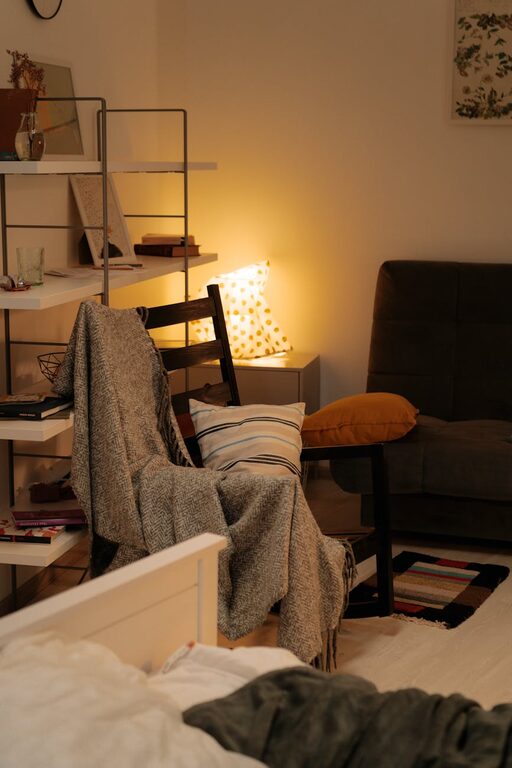
– Comfort Items: A cosy throw or a cushion can make your seating more pleasant.
– Regular Breaks: Schedule short breaks to stretch, hydrate, or meditate.
Creating a space that feels relaxing helps you recharge and stay productive.
10. Adapt and Evolve Your Space
Lastly, your home office should grow with your needs:
– Listen to Your Body: Make adjustments if you experience discomfort or distractions.
– Review Layout Periodically: Change your setup seasonally or as work demands shift.
– Stay Open to New Ideas: New gadgets, furniture, or organisation methods might enhance your experience.
A flexible workspace will serve you well over the long term.
—
Building a home office that blends productivity and relaxation isn’t difficult with these thoughtful steps. By reflecting your work style and priorities in your space, you can create an environment where focus flourishes and stress diminishes. Take the time to design your perfect home office for better workdays.