


Creating a minimalist and organised home workspace can greatly improve your focus, productivity, and overall well-being. Whether you work from home full-time or just need a dedicated spot for occasional tasks, a clean and simple environment helps reduce distractions and makes it easier to find what you need. Here are useful tips to help you design a space that is both stylish and functional.
Why Choose a Minimalist Workspace?
Minimalism is about simplicity and purpose. In a home office, this means having only the essentials and keeping your area tidy. A minimalist setup not only looks neat but also reduces mental clutter, helping you concentrate better.
Step 1: Select the Right Spot
Choose a location that suits your work habits. Ideally, it should be quiet, have good natural light, and enough room for your needs. A corner in a spare room, a spot near a window, or even a small nook can work well.
Step 2: Invest in Functional Furniture
Desk
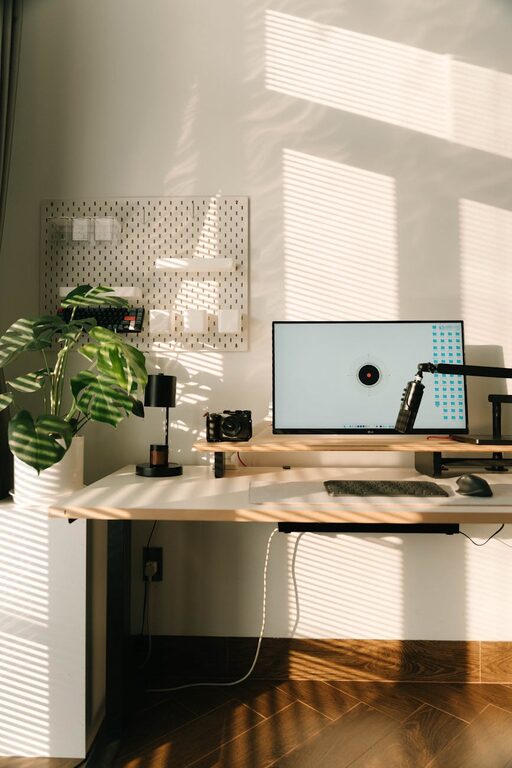
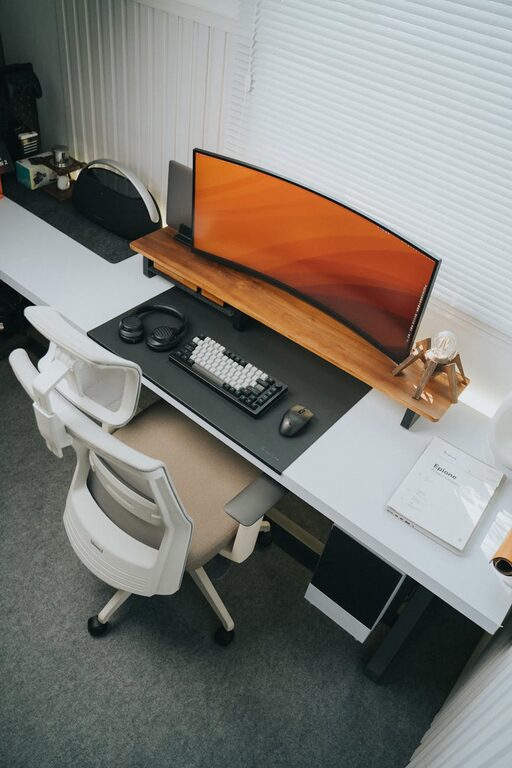
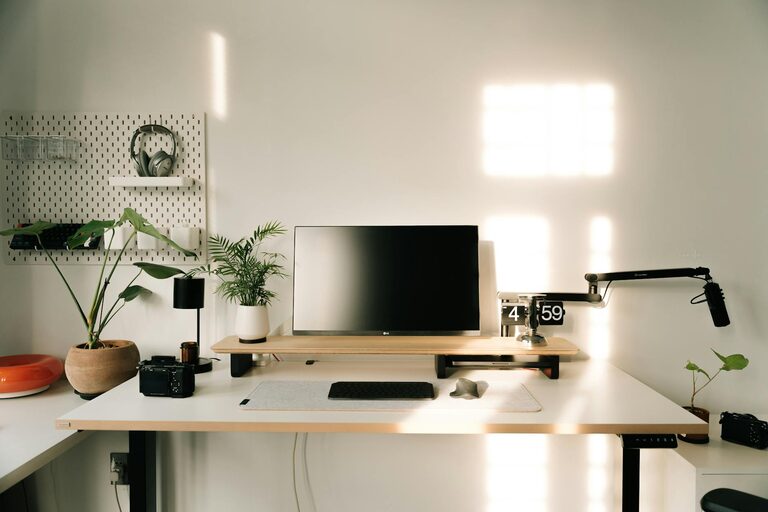
Pick a desk with a clean design and ample surface space. Minimalist desks often have straight lines and lack unnecessary drawers or decorations.
Chair
Comfort is key. A simple, ergonomic chair supports your posture without adding bulk to the room.
Storage Solutions
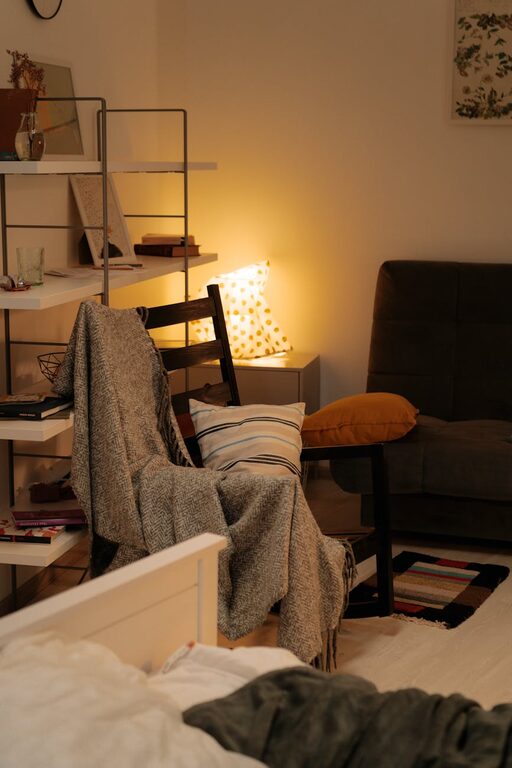
Use shelves or cabinets that blend seamlessly with your decor. Closed storage helps hide clutter, while open shelving can showcase a few carefully chosen items.
Step 3: Declutter Regularly
Remove anything you don’t use daily. Papers can be digitised or filed away, and redundant cables or gadgets should be stored elsewhere or disposed of. Aim to keep only what you need close at hand.
Step 4: Use Clever Organisers
Organise stationery, chargers, and accessories in trays, boxes, or desk organisers. Label items if it helps you find things quickly.
Step 5: Limit Colour Palette and Decorations
Stick to a neutral or soft colour scheme for walls and large pieces of furniture. Add subtle pops of colour with small items if you like, but keep it restrained. Minimal artwork or a single plant can add personality without visual clutter.
Step 6: Manage Cables Efficiently
Use cable clips or a cable management box to keep wires neat and out of sight. Wireless devices, where possible, further simplify your setup.
Step 7: Optimise Lighting
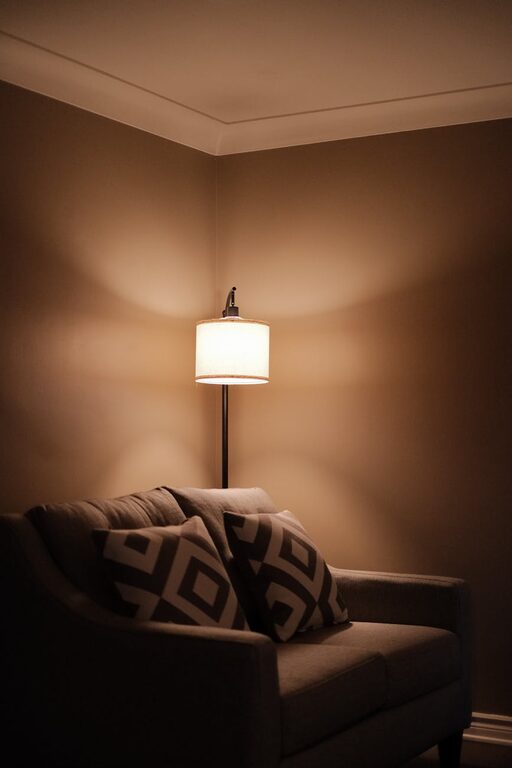
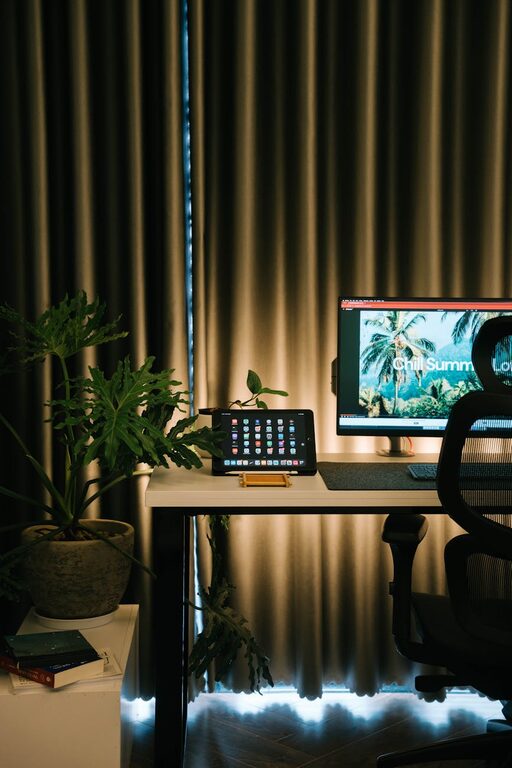
Natural light is the best, but supplement with adjustable desk lamps or floor lighting that avoid shadows and reduce eye strain.
Step 8: Maintain a Clean Workspace Daily
At the end of each day, clear your desk, put away supplies, and give surfaces a quick wipe. Establishing this habit keeps your workspace ready for a fresh start every morning.
Final Thoughts
A minimalist and organised home workspace doesn’t require expensive redesigns or extensive renovations. By carefully choosing your furniture, regularly decluttering, and keeping things simple, you can create an inspiring and efficient space. This setup will help you feel relaxed, focus better, and enjoy the work you do at home.