

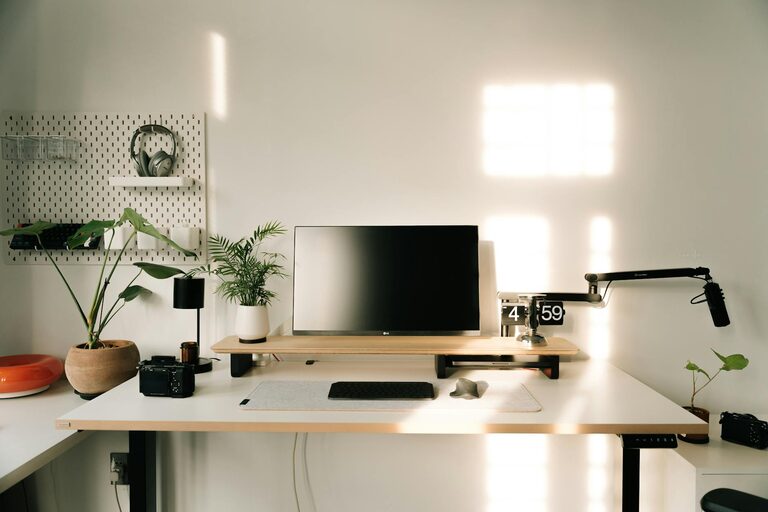
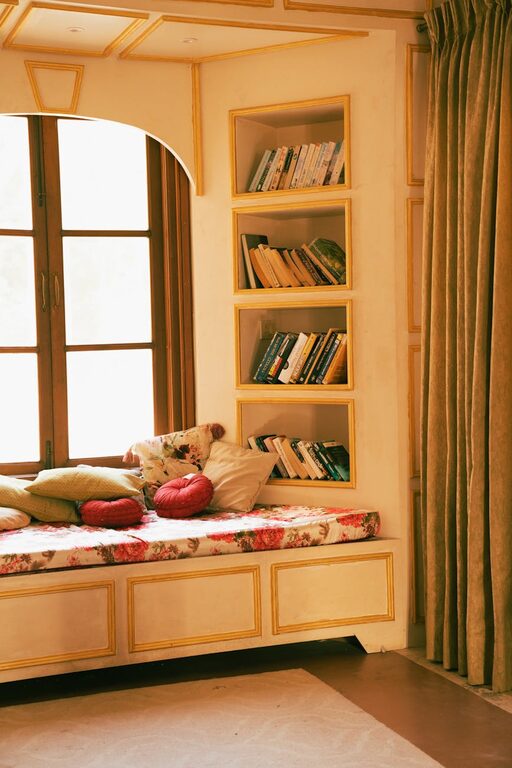
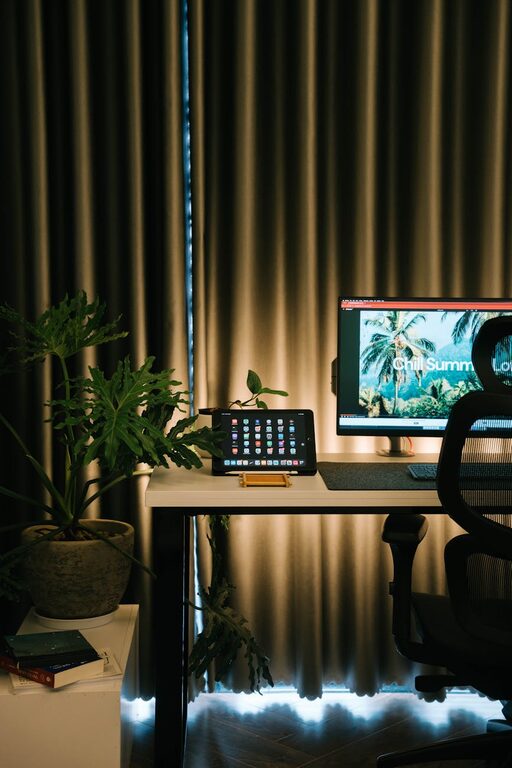
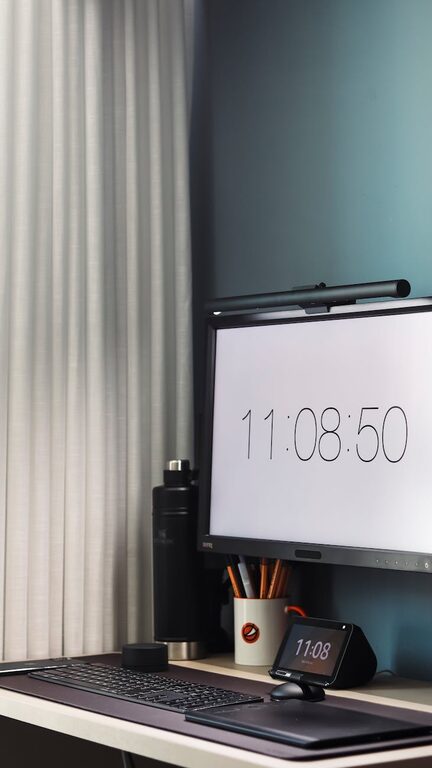
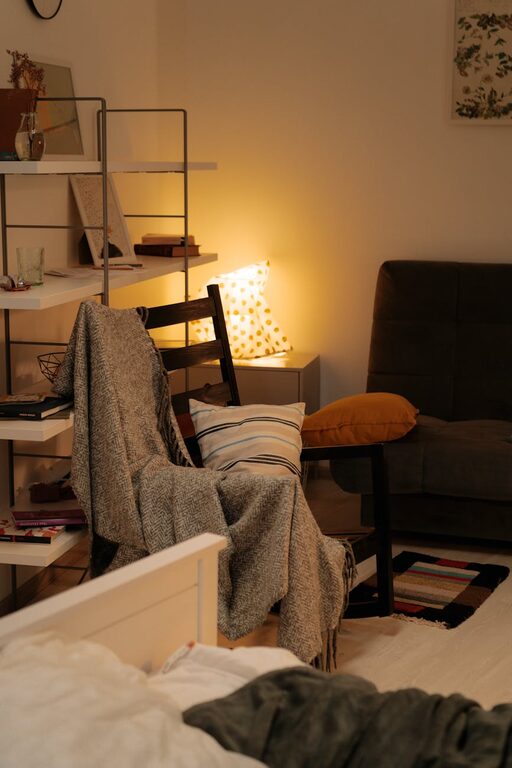
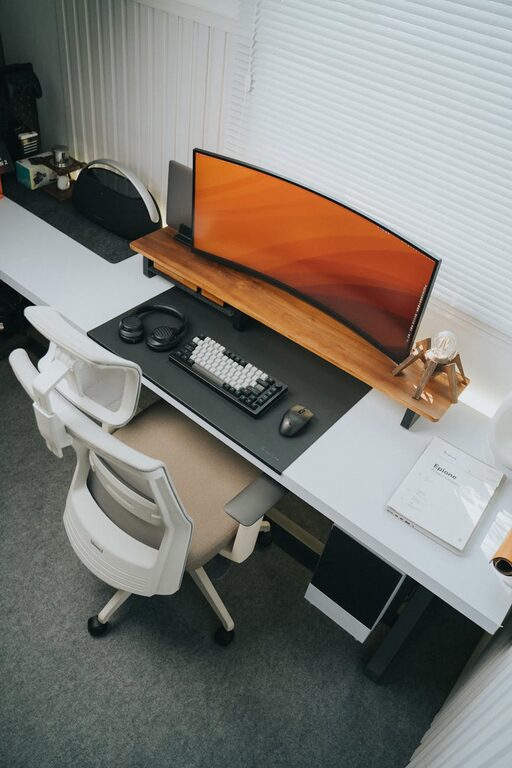

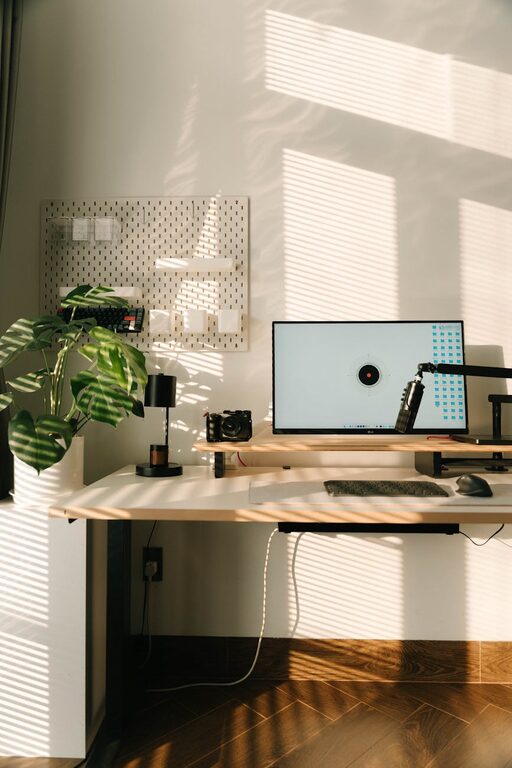
Creating a relaxing home workspace is essential for many people who work remotely or spend time on projects outside the traditional office environment. A calm and comfortable workspace can greatly improve your concentration, reduce stress, and boost your overall productivity. Here, we explore practical steps you can take to transform your home work area into a peaceful and efficient hub.
Why a Relaxing Workspace Matters
When your workspace is cluttered, noisy, or uncomfortable, it becomes harder to focus and stay motivated. By designing an environment that promotes relaxation, you help your brain associate the space with calm and productivity. This can lead to better work output and a more balanced work-life routine.
Choose the Right Location
Prioritise Natural Light
If possible, position your desk near a window. Natural light helps regulate your sleep cycle, improves mood, and reduces eye strain. Avoid placing your computer screen directly opposite a bright window to prevent glare, but enjoy the benefits of daylight.
Minimise Distractions
Select a quiet corner or room in your home where interruptions are minimal. Avoid locations near busy household areas like the kitchen or living room, where noise and activity can disrupt your focus.
Invest in Comfortable and Functional Furniture
Ergonomic Chair and Desk
Comfort is key. An ergonomic chair that supports your back and promotes good posture will make long work sessions less tiring. Pair this with a desk at the right height to avoid strain on your wrists and shoulders.
Keep It Clutter-Free
Choose furniture with storage options or use organisers to keep your workspace tidy. A neat desk helps clear your mind and reduces the temptation to procrastinate.
Create a Calming Atmosphere
Soothing Colours
Use colours that evoke calmness, such as soft blues, greens, or neutrals. Avoid overly bright or intense walls which might energise rather than relax.
Personal Touches
Add elements that make you feel at ease — perhaps a favourite plant, artwork, or a photo. These personal touches can create a sense of comfort and motivation.
Control Noise Levels
Consider noise-cancelling headphones or soft background music if ambient noise is an issue. Alternatively, white noise apps can help mask distracting sounds.
Optimise Lighting for Comfort and Productivity
Besides natural light, good artificial lighting is essential.
– Use adjustable desk lamps to direct light where you need it most.
– Opt for warm white bulbs to create a gentle atmosphere.
– Avoid harsh overhead fluorescents that can cause headaches or eye strain.
Establish Organised Systems
Tools and Supplies Within Reach
Keep frequently used items close to hand to minimise interruptions. Use drawer organisers, pen holders, and cable management solutions to keep everything organised.
Digital Organisation
Maintain a clean desktop on your computer and organise files logically. Consider apps or software for task management that can help you keep on track.
Incorporate Break and Movement Areas
If space allows, include a small area for stretching or relaxing away from your desk. Frequent short breaks and gentle movement can refresh your mind and reduce physical tension.
Maintain Air Quality and Temperature
Good air circulation and a comfortable temperature are often overlooked but are vital for productivity.
– Open windows when you can.
– Use fans or heaters to regulate temperature.
– Indoor plants can improve air quality and add to the calming effect.
Set Boundaries and Routines
Clear boundaries help your brain switch into work mode and out again when the day ends.
– Set regular work hours.
– Communicate your schedule with household members.
– Use visual cues, like closing workspace doors, to signify ‘work time’.
Conclusion
Designing a relaxing home workspace is more than just aesthetics. It’s about creating an environment that supports your wellbeing and helps you maintain focus and motivation. By choosing the right location, investing in comfortable furniture, controlling light and noise, and keeping organised, you can enjoy a productive and enjoyable workday at home. Remember, small changes can make a big difference to your work experience.
—
Creating a personalised, calm workspace is an ongoing process — don’t hesitate to adjust it as your needs evolve. Your productivity and peace of mind will thank you.